November 20, 2026 · 3 min read
Put Your Oxygen Mask on First
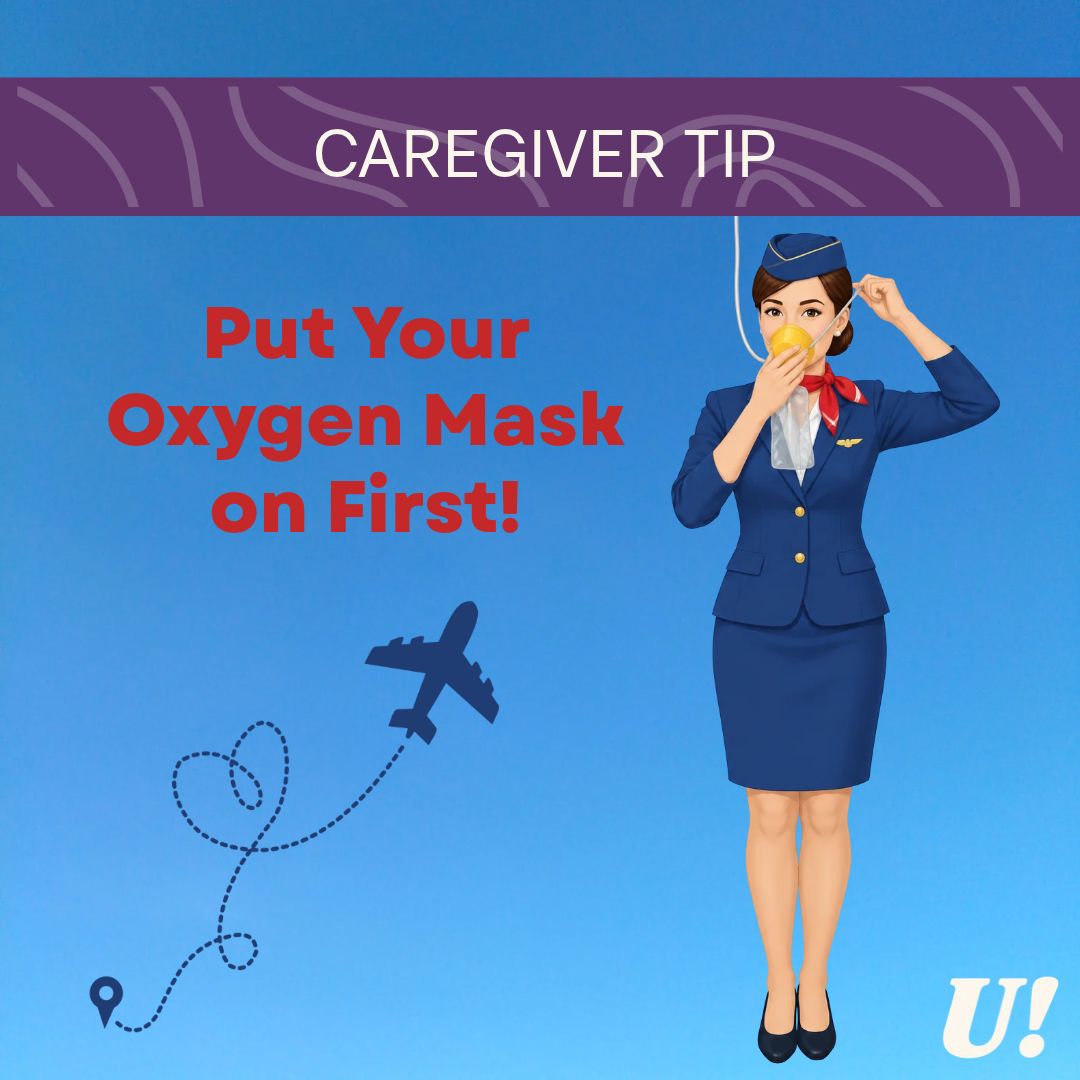
I recently heard a frightening statistic, I was very skeptical of, that claimed 40% of Alzheimer's caregivers pass away before their loved one (LO) does. Clearly, that couldn't be true, so I did some research.
Well, apparently, it was a stretch and a misread of a 1999 study that showed caregivers had a 63% higher relative risk of mortality when compared with non-caregivers. But a more recent study by the National Institutes of Health did show that 18% of spousal caregivers of dementia patients died before before their loved one.
Overall, those are frightening statistics, and when you consider the life of a caregiver, it makes sense. Caregivers are on the job nearly 24-7-365 for as little as a couple years to as many as twenty+. Most aren't paid for caregiving—or any other job—for that matter as many have had to forgo their careers to become a full-time caregiver. I've personally had to set aside fiction writing for the time being because it takes too much time away from my husband. Instead, I pen the occasional post that I hope will offer some insight into the world of dementia and caregiving.
In a household, the caregiver not only looks after their LO, but they are also the activities director, chef, dishwasher, housecleaner, handyman, lawn mower, snow shoveler, shopper, bill payer, manicurist ... well, you get the idea. Breaks are few and when they do happen, they're usually too short. Marv and I fortunate to have family chip in now and again, but many caregivers go it alone.
So, what's a caregiver to do? How do they beat those depressing percentages mentioned above?
::: By putting on their oxygen mask first :::
Which, if you think about it, is really counterintuitive. During a flight, if the oxygen masks drop, your first instinct as a parent is to care for your child and to put their mask on first. BUT you're no good to them if you can't breathe, so you have to fight against what seems natural and secure your mask first.
What does that look like for a caregiver? How do they get oxygen? (Disclaimer: I know each one of these is much easier said than done!)
Pray
Invite others to pray for you
Ask for help with meal prep, chores, etc.
Have trusted friends/family who will listen to you vent
(or vent in Facebook posts... )
Learn to say No (this is a biggie!)
Read the Bible
Take a vacation by yourself or with friends
Tell yourself it's okay to have a dust bunny or two living with you, that sometimes dishes will sit in the sink, that your carpets will be vacuumed another day, etc
Give yourself lots and lots of grace. The caregivers I know are really tough on themselves.
Enroll your LO in adult day care
Hire a caregiver a day or two or more per week/month
Eat well
Exercise
Drink lots of water
Get plenty of sleep
Seek professional help
Use caregiving resources—memory cafes, adult day centers, in-person support groups, etc.—in your area
Join online caregiving groups
Order pizza
Use grocery delivery services
Cuddle your pet
Watch your favorite movie
Remember to laugh
Eat chocolate
Read a novel
Did I say all of that easier said than done? Oh, yeah, I did. It's one thing to say "Do the above," it's another to squeeze any of that in or afford it with your already limited funds.
This is where we have to remind ourselves to put our oxygen masks on first. Pick one or two items from the list and make them a daily, weekly, or monthly habit. If we want what's best for our loved ones, we have to breathe. If we're not breathing, who will care for them?
What would you add to the above list?
With warmth, Brenda